
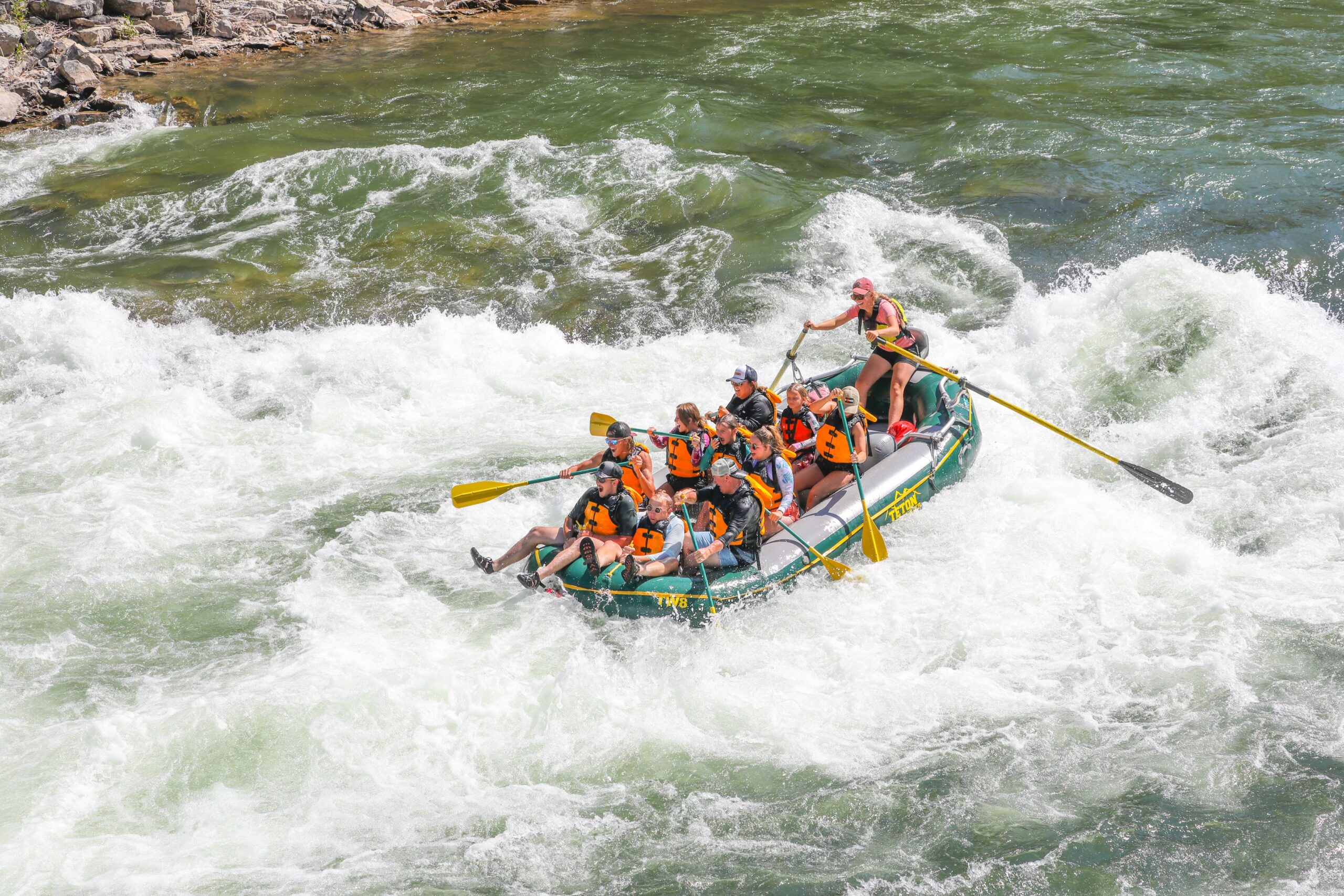
Whitewater rafting is one of the most exhilarating outdoor adventures you can experience, but if you’re new to the sport, you might be wondering, what exactly is whitewater? In this guide, we’ll break down everything you need to know, from whitewater classifications to how to read a river and what to expect on your trip.
What is Whitewater?
Whitewater refers to fast-moving sections of a river where water flows over obstacles like rocks, drops, and rapids, creating turbulence and waves. The term comes from the foamy, aerated appearance of the water as it crashes through natural features.
Whitewater Classifications: Understanding the Rapids Scale
Rivers are rated on a Class I-VI scale based on difficulty:
- Class I – Easy: Gentle current, small ripples, and no significant obstacles. Great for scenic floats.
- Class II – Beginner: Straightforward rapids with wide channels and small waves.
- Class III – Intermediate: Moderate rapids with irregular waves and some technical maneuvering required.
- Class IV – Advanced: Intense rapids with large waves, strong currents, and obstacles requiring precise navigation.
- Class V – Expert: Powerful rapids with steep drops, large holes, and extreme technical challenges.
- Class VI – Extreme: Unnavigable; only attempted by elite paddlers under ideal conditions.
????♂️ The Snake River in Jackson Hole typically features exciting Class II-III rapids, making it the perfect adventure for beginners and thrill-seekers alike!
How to Read a River Like a Pro
Experienced rafters and guides recognize and use key river features to navigate safely:
- Eddies: Calm areas behind obstacles where you can stop or rest.
- Waves & Holes: Standing waves are fun, while deep holes can trap water (and boats!).
- Currents & Channels: The main flow of the river, often leading to the easiest route through rapids.
- Strainers & Sweepers: Obstructions like fallen trees or rocks that can be dangerous—always avoid them.
???? Tip: Listen to your guide, they’ll call out important river features and the best way to tackle them!
What to Expect on a Whitewater Rafting Trip
- Gear Up: You’ll be outfitted with a life jacket, and paddle, and a helmet if high water levels call for it.
- Safety Briefing: Your guide will cover paddling techniques, commands, and how to stay safe.
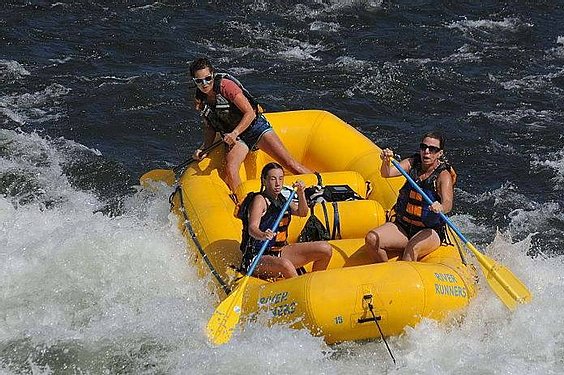
- Hitting the Water: Get ready for an adrenaline rush as you paddle through waves and drops!
- Teamwork is Key: Communication and working together help you navigate the rapids smoothly.
- Soaked & Smiling: Expect to get wet, half the fun is riding the waves!
Ready to Tackle the Rapids?
Whitewater rafting is an unforgettable experience, whether you’re a beginner or an adrenaline junkie. Now that you understand the basics, it’s time to hit the river!
Explore our Snake River whitewater rafting trips or opt for a scenic float if you prefer a gentler ride. Not sure what to bring? Check out our rafting packing list to make sure you’re fully prepped.
Want to know more about our guides or safety standards? Meet our team or browse our FAQs to learn what to expect on the water.
Let’s get you on the river, book your trip today!
Frequently Asked Questions: Whitewater Edition
What does “whitewater” mean in rafting?
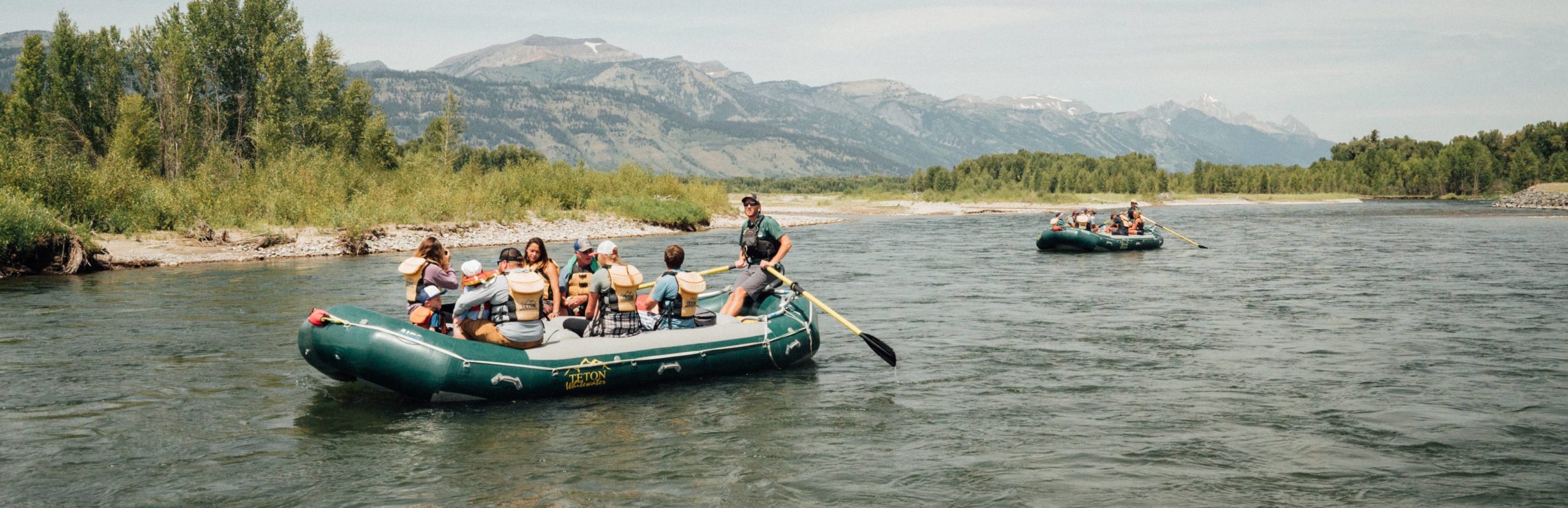
Whitewater refers to fast-moving, foamy sections of a river where the water flows over rocks, drops, or narrow channels, creating turbulence and rapids. It gets its name from the white, frothy appearance caused by air mixing with water.
Is whitewater rafting safe for beginners?
Yes, many rafting trips are beginner-friendly, especially those on Class II–III rapids. With professional guides, proper gear, and safety briefings, first-time rafters can enjoy the experience safely and confidently.
What should I wear for whitewater rafting?
Wear quick-dry clothing, secure water shoes or sandals, and avoid cotton. A life jacket and helmet will be provided. In cooler conditions, your outfitter may also provide wetsuits or splash jackets.
What gear is provided on a rafting trip?
Outfitters typically provide:
-
Life jackets (PFDs)
-
Paddles
-
Helmets (when needed)
-
Rafts and safety gear
Some may also supply wetsuits, splash gear, or dry bags for personal items.
What river features should I know about before rafting?
Beginner rafters should be familiar with:
-
Eddies: Calm zones behind rocks
-
Waves and holes: Turbulent spots in rapids
-
Strainers: Obstructions like trees—avoid at all costs
-
Main current: The fastest, safest line through a rapid
Your guide will help you identify and navigate each of these on the water.
Classic Whitewater Rafting
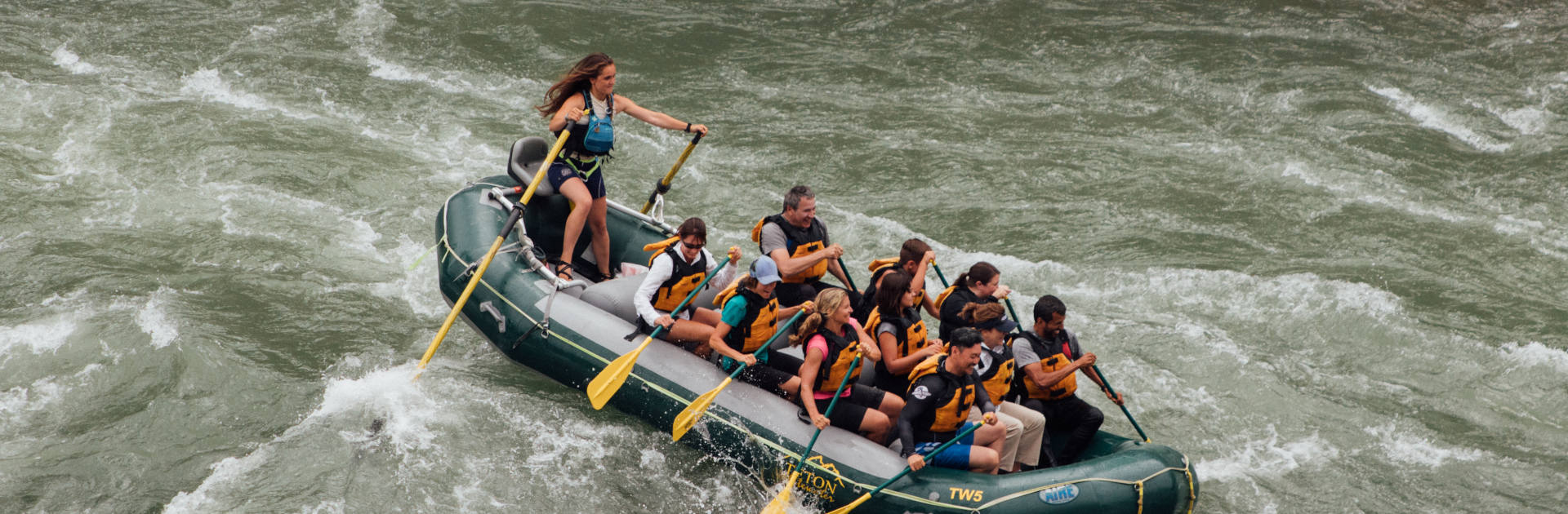
Experience classic Snake River whitewater rafting in Jackson Hole with Teton Whitewater in our standard raft that can hold up to 16 people!
Learn More
July 17, 2015
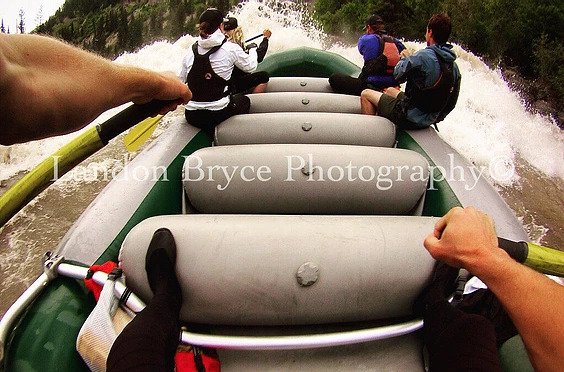
Looking Back On Guide Training – POV

March 24, 2016
High Adventure Scouting Trips for Varsity, Venturing Groups, and Boy Scouts
July 24, 2017
5 Tips for Whitewater Rafting